
From the board

Avant l'Échec et Mat, il y avait le Mati

Une histoire de l'échec et mat — et le vocabulaire sanskrit que la tradition persane a silencieusement remplacé

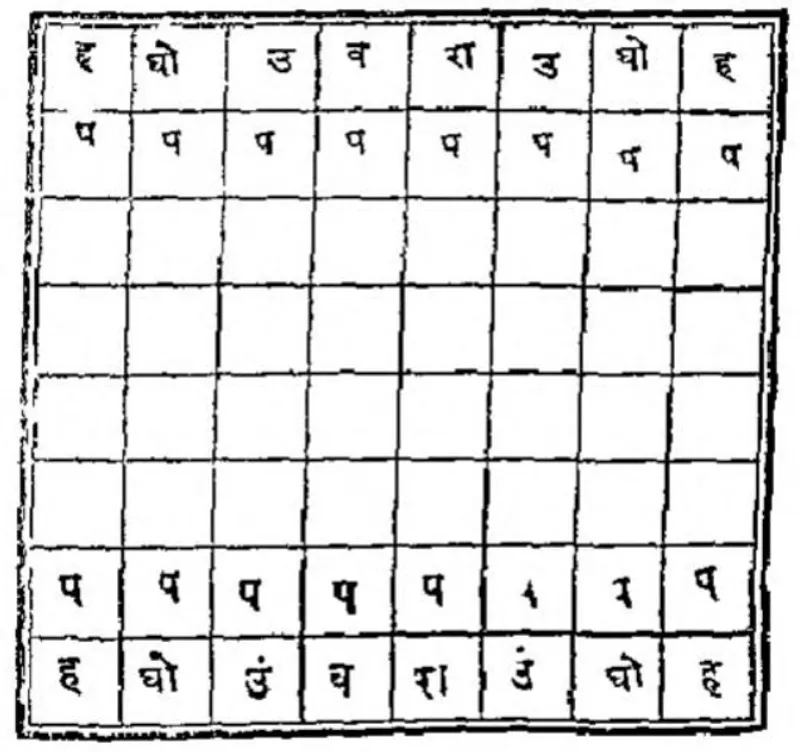
Échec et mat est persan. Les joueurs d'échecs le disent depuis mille ans sans poser de questions. Le mot sanskrit était Mati — de mṛta, mort — et l'échec était Kaani, pas Shah. Les deux sont documentés dans un livre marathi de 1937 de Kolhapur.

sharp-karna ·
historysanskritterminology
Read in English →

Daav · Mansuba · Problème

Une histoire des problèmes d'échecs avant que les échecs aient un nom pour eux

Le Vilas Mani Manjari contient 21 problèmes d'échecs écrits en vers sanskrits, chacun conçu pour être parié. La tradition arabe les appelait manṣūbāt. La tradition marathi les appelait डाव (Daav) — un enjeu. La théorie des finales qui y est intégrée précède l'analyse européenne de plusieurs siècles.

sharp-karna ·
historypuzzlessanskritendgame
Read in English →

The Sixteen Ta'biyat of Shatranj

Battle formations from the classical manuscripts — and how a modern engine follows them

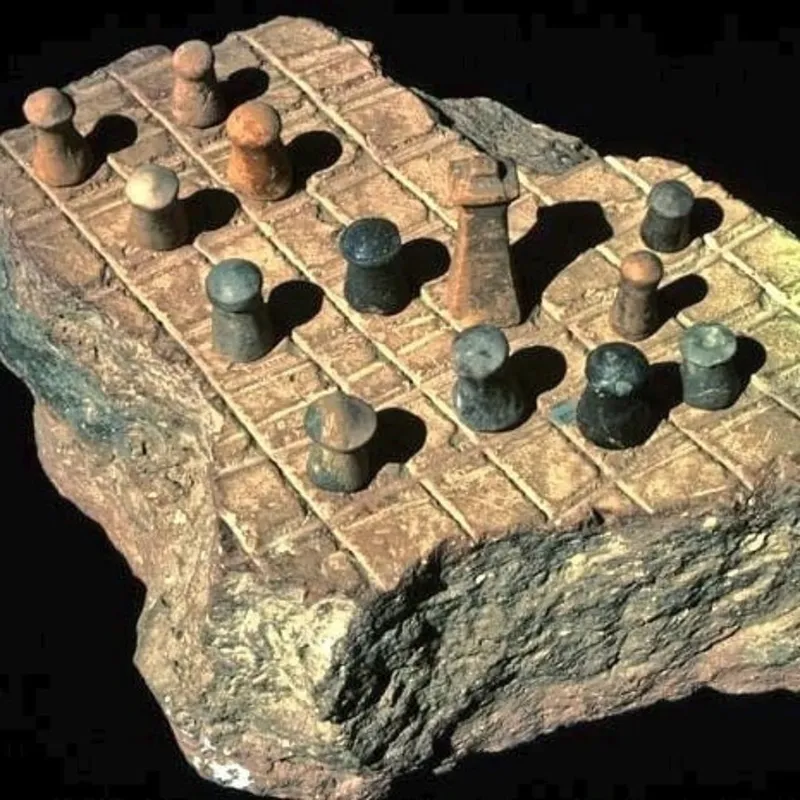
The medieval Shatranj masters documented sixteen named battle formations — ta'biyat — as the correct way to open the game. This is what they said about them, and how they are encoded in the Chaturanga engine.

sharp-karna ·
historyopeningsshatranjtheoryengine

Enough to Argue, Not Enough to Be Right

On draws, the Firzan's geometry, and the things the old masters didn't explain

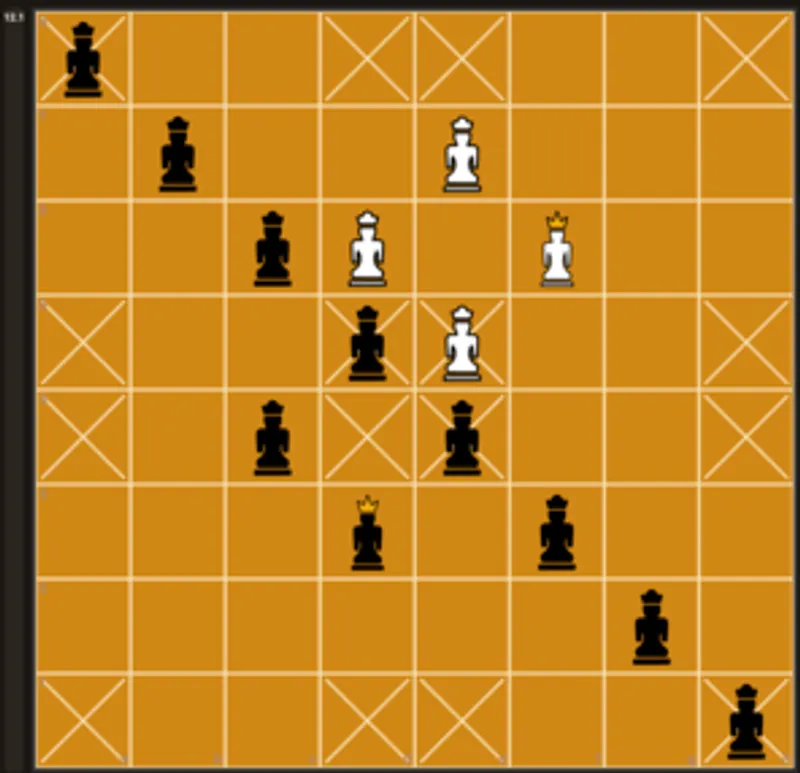
The old Shatranj masters catalogued drawn positions as secrets — you were expected to already know. Here's a summary of it.

sharp-karna ·
historystrategyendgame