
From the board

Vor dem Schachmatt gab es das Mati

Eine Geschichte des Schachmatt — und das Sanskrit-Vokabular, das die persische Tradition still ersetzte

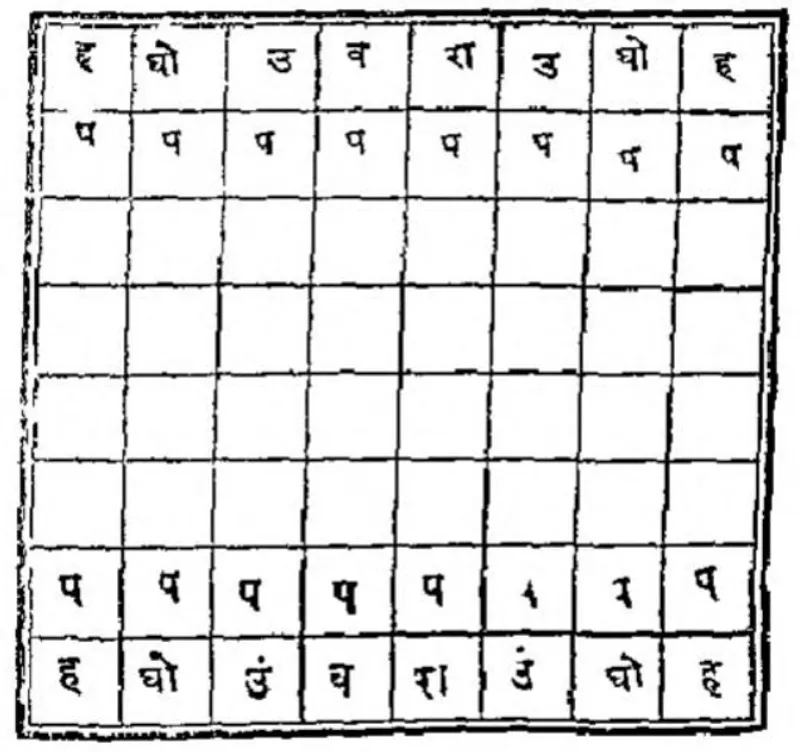
Schachmatt ist persisch. Schachspieler sagen es seit tausend Jahren ohne Fragen zu stellen. Das Sanskrit-Wort war Mati — von mṛta, tot — und Schach hieß Kaani, nicht Shah. Beide sind in einem Marathi-Buch von 1937 aus Kolhapur dokumentiert.

sharp-karna ·
historysanskritterminology
Read in English →

Daav · Mansuba · Schachproblem

Eine Geschichte der Schachprobleme, bevor Schach einen Namen für sie hatte

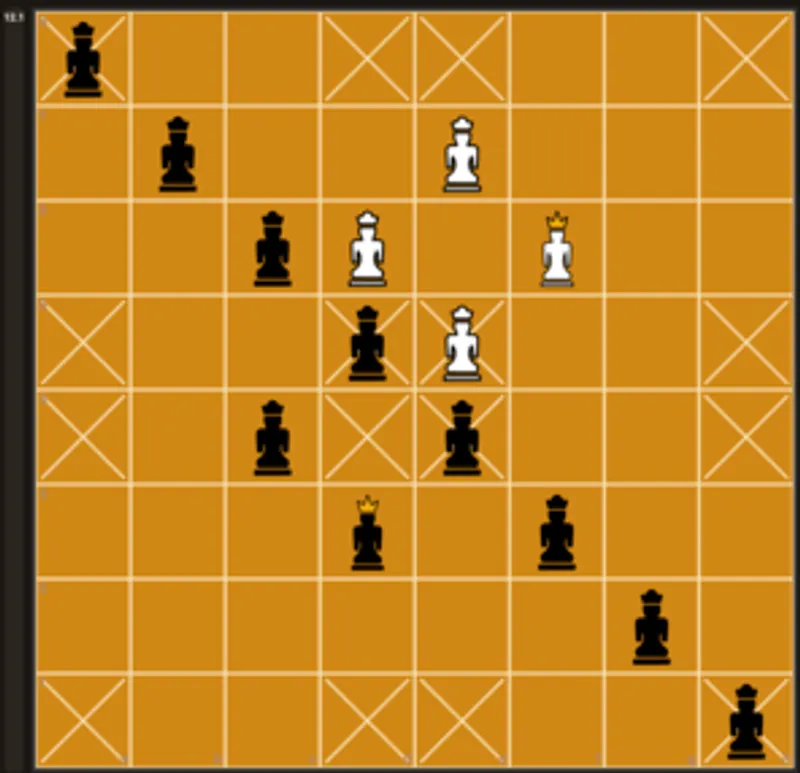
Das Vilas Mani Manjari enthält 21 Schachprobleme in Sanskrit-Versen, jedes zum Wetten konzipiert. Die arabische Tradition nannte sie manṣūbāt. Die Marathi-Tradition nannte sie डाव (Daav) — einen Einsatz. Die darin eingebettete Endspieltheorie geht der europäischen Analyse um Jahrhunderte voraus.

sharp-karna ·
historypuzzlessanskritendgame
Read in English →

The Sixteen Ta'biyat of Shatranj

Battle formations from the classical manuscripts — and how a modern engine follows them

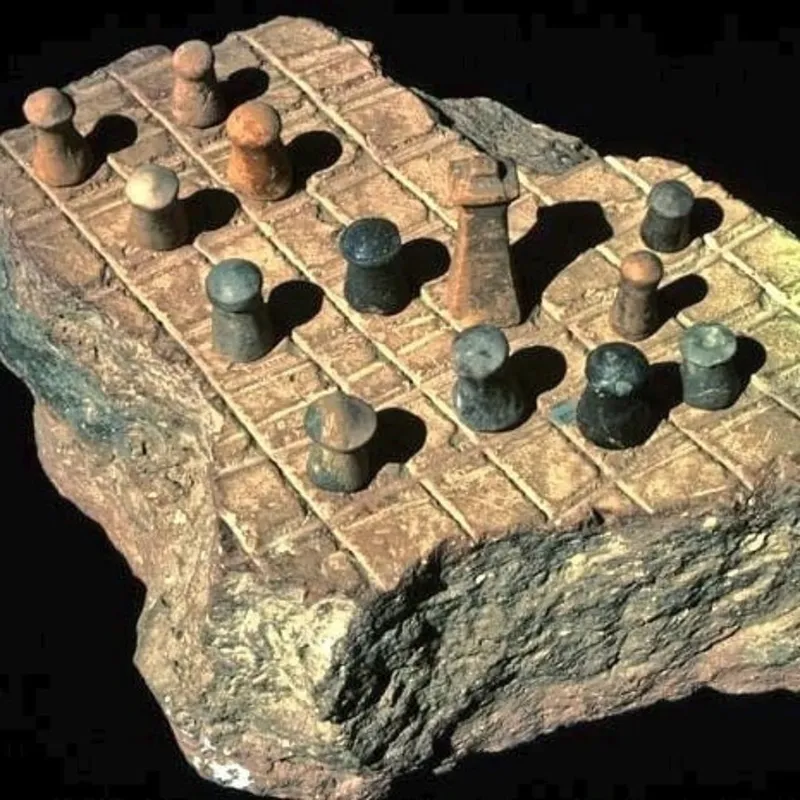
The medieval Shatranj masters documented sixteen named battle formations — ta'biyat — as the correct way to open the game. This is what they said about them, and how they are encoded in the Chaturanga engine.

sharp-karna ·
historyopeningsshatranjtheoryengine

Enough to Argue, Not Enough to Be Right

On draws, the Firzan's geometry, and the things the old masters didn't explain

The old Shatranj masters catalogued drawn positions as secrets — you were expected to already know. Here's a summary of it.

sharp-karna ·
historystrategyendgame