From the board

Before ShahMat, There Was Mati

A history of checkmate — and the Sanskrit vocabulary the Persian tradition quietly replaced

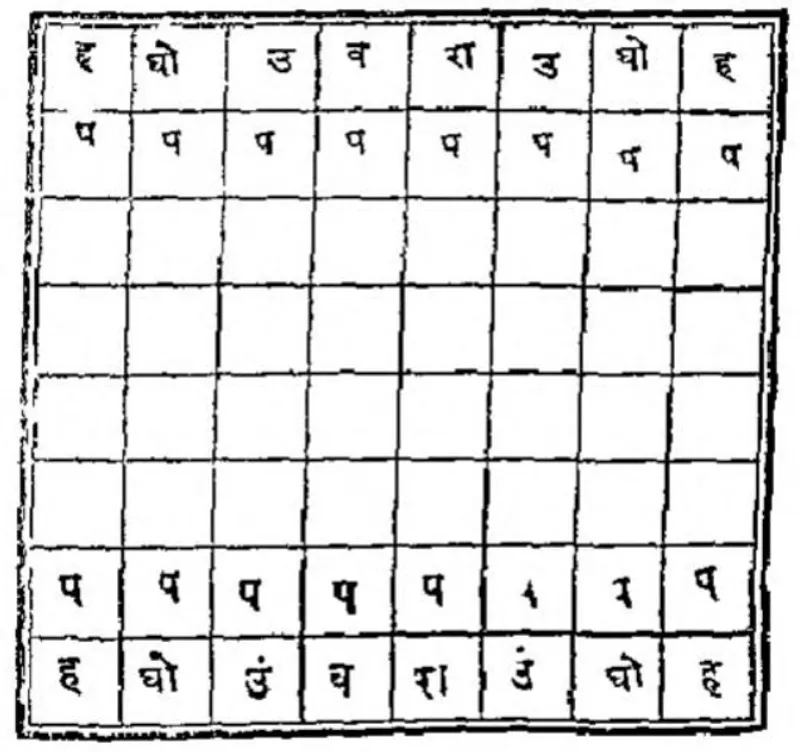
ShahMat is Persian. Chess players have been saying it for a thousand years without asking questions. The Sanskrit word was Mati — from mṛta, dead — and check was Kaani, not Shah. Both are documented in a 1937 Marathi book from Kolhapur.
sharp-karna ·
historysanskritterminology

Daav · Mansuba · Puzzle

A history of chess problems before chess had a name for them

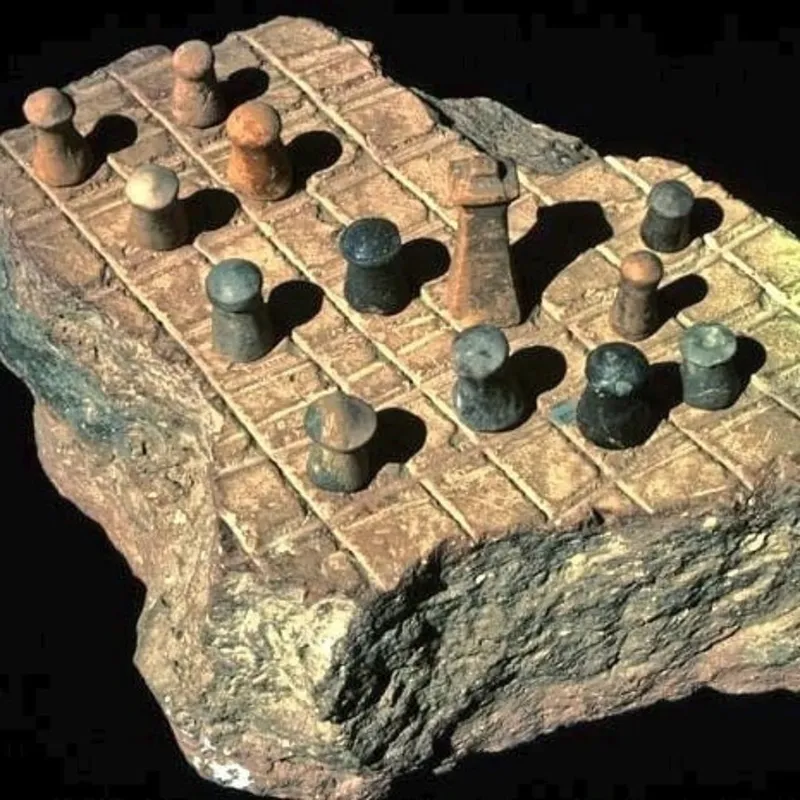
The Vilas Mani Manjari contains 21 chess puzzles written in Sanskrit verse, each designed to be wagered on. The Arabic tradition called them manṣūbāt. The Marathi tradition called them डाव (Daav) — a stake. The endgame theory embedded in them predates European analysis by centuries.

sharp-karna ·
historypuzzlessanskritendgame

The Sixteen Ta'biyat of Shatranj

Battle formations from the classical manuscripts — and how a modern engine follows them

The medieval Shatranj masters documented sixteen named battle formations — ta'biyat — as the correct way to open the game. This is what they said about them, and how they are encoded in the Chaturanga engine.

sharp-karna ·
historyopeningsshatranjtheoryengine

Enough to Argue, Not Enough to Be Right

On draws, the Firzan's geometry, and the things the old masters didn't explain

The old Shatranj masters catalogued drawn positions as secrets — you were expected to already know. Here's a summary of it.

sharp-karna ·
historystrategyendgame